
Direct Investment: The Power of Physical Control
While REITs offer liquid entry into the market, direct real estate investment remains the cornerstone of Australian wealth creation. It is a game of leverage, physical management, and sovereign decision-making that allows for value-add opportunities impossible in a managed trust.

Direct ownership gives 100% control over renovation and tenant selection.
Asset Selection
Unlike a REIT where you buy a basket, here you hand-pick every street, facade, and floorplan.
Leverage Potential
Australian banks typically lend up to 80-90% for physical property, amplifying your return on equity.
Value Add
Subdivision, renovation, or rezoning are active strategies available only to direct owners.
Tax Benefits
Depreciation schedules and negative gearing remain potent tools for high-income earners in Australia.
Why Brick & Mortar Still Outshines Digital Tickers
Physical property investing in Australia offers a level of **real estate leverage** that few other asset classes can match. While REITs provide exposure to the market, they are subject to stock market volatility and management fees that eat into your alpha.
Direct ownership allows you to benefit from the **tangible asset control** required to force appreciation. If the market is flat, you can renovate. If the suburb is gentrifying, you capture 100% of that upside without sharing it with a fund manager.
The Real Costs of Ownership
Direct investment isn't "passive." It requires a sophisticated understanding of **property management costs** and the operational friction that comes with physical assets.
"The biggest mistake new investors make is underestimating the holding costs between tenants."
— Vera Analysis Team
Acquisition Friction
High Entry CostUnlike REITs, which can be bought for as little as $500 on a brokerage app, physical property requires 5-10% of the purchase price upfront for stamp duty, legal fees, and building inspections. In the **Australian real estate market**, this can represent a $50,000 to $150,000 hurdle before even considering the deposit.
The Management Burden
Active EffortManaging a physical asset involves dealing with local councils, land tax, strata levies, and property managers. While property management fees typically range from 5-8% of gross rent, the "unseen" cost is the time spent approving repairs and navigating residential tenancy acts.
Liquidity and Exit Timing
Strategic ExitSelling a physical asset takes 30-90 days. This lack of liquidity makes physical property a long-term play. Investors must also account for **capital gains tax property** implications, specifically the 50% discount for assets held over 12 months, which significantly impacts the net internal rate of return (IRR).
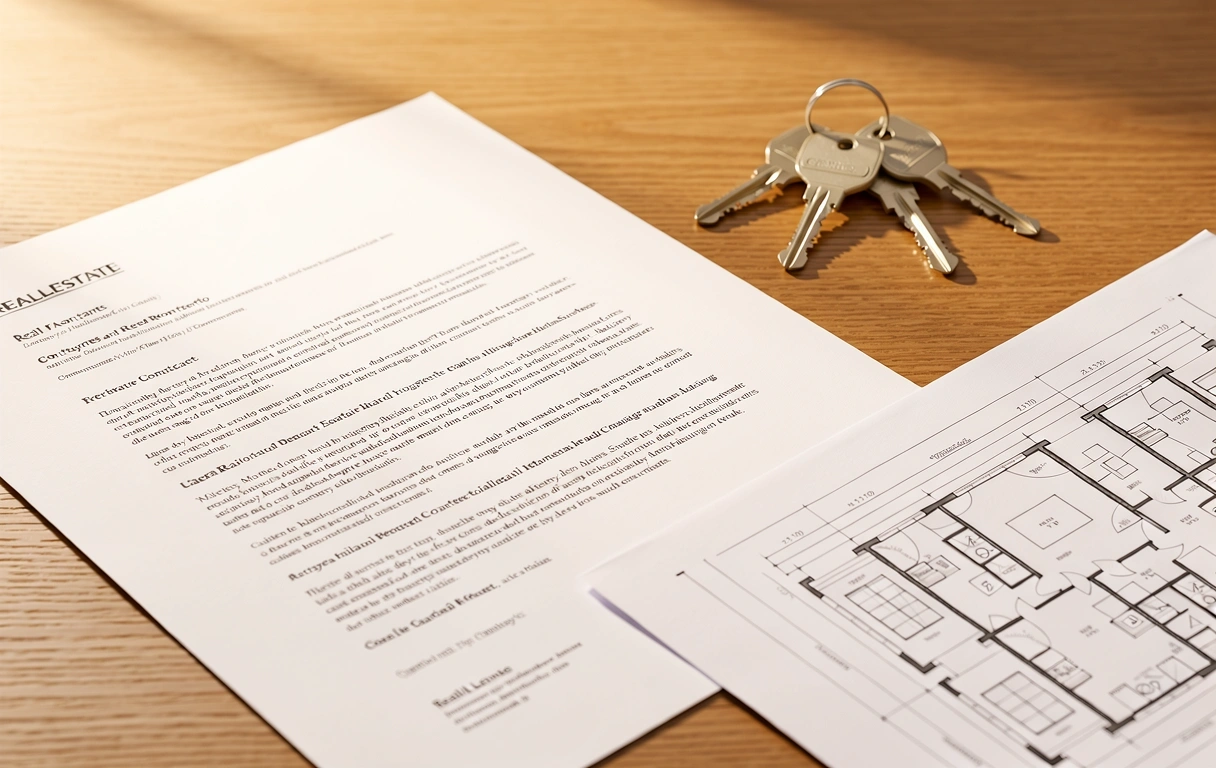
Direct Property Investment
A commitment to physical presence and long-term capital preservation in the most stable suburbs across Melbourne and Sydney.
How Does It Stack Up?
A direct comparison of operational realities against managed funds.
| Feature | Direct (Physical) | REITs (Digital) |
|---|---|---|
| Control | Absolute — you make all calls | Passive — fund manager decides |
| Leverage | High (up to 90% LVR) | Low (Margin lending varies) |
| Liquidity | Low (Months to sell) | High (Daily trading) |
| Entry Cost | $100k+ typical hurdle | $500+ minimum buy-in |
Navigating the Direct Property Horizon
Direct ownership is not just about buying a building; it is about managing a micro-business. Our strategy experts help you weigh these physical responsibilities against the diversified ease of REITs.
Start Your Strategy
Get a professional comparison and analysis of your property portfolio.
Contact Vera StrategyMelbourne, Victoria | Since 2026
Take the Next Move in Real Estate.
Compare the returns, the risks, and the reality of physical vs REIT investments with our expert advisors.